Trimming the Tree
Another life update.
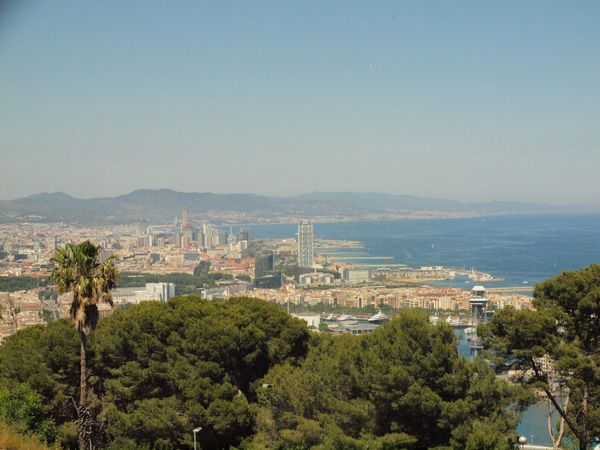
Once again, I have packed up my meager life and found a new home, this time in the north of Spain (the euro arc continues!). The novelty of uncovering a new city has brought some much needed variety to my life, which since the summertime started to flatten out to a dreary, patient existence. Even so, I find myself wanting. I am preparing for the next adventure, filling myself with hopes of new horizons to conquer.
Since graduating college six years ago, this is the fifth city I have lived in, not including various spells with family. I have not exactly thrived in the ‘real world,’ but certainly survived, stringing along various jobs with mediocre pay and some help from loved ones. I believe to a certain extent, this transient and wandering lifestyle of my twenties is what I’ve been seeking as its own end. At this age I have relatively few responsibilities tying me down, and as such I have leaned into my incurable desire to turn over stones and understand the world. There are certainly valuable stories to tell from a such life in motion, and perhaps one day I will recount more of them here. Lately, however, I have felt the tide changing within me. Before this latest metamorphosis is complete, I thought I would write down some thoughts I'm having in an attempt to capture the essence of what this journey has meant to me and produce something valuable from it.
During the last week I read Jack Kerouac’s On the Road, and the seminal text of the beat generation certainly resonates with these ideas. I would describe the novel as an exercise in throwing care to the wind, exploring the possibilities of reality, and seeking to arrive at a deeper kind of presence (through drugs, sex and jazz) that is so difficult to attain in modern life. The text describes the misadventures of its narrator, Sal Paradise, as he travels west, east and west again across North America, oftentimes accompanied by his chaotic friend Dean Moriarty over the span of a few years immediately post-WWII. There is a host of other characters that weave in and out of the narrative, some taking part at many stops along the way, others only crossing paths for a fleeting and honest scene or three.
Some of the most transcendent moments of prose involve Kerouac painting intense images of jazz combos performing in the dim, smoky basement clubs of San Francisco, Chicago, New York, the saxophonist communicating with the drummer and the bassist, the crowd losing control, dancing, flailing, wailing in response to the chord changes, the drinks and sweat flying. The resulting scene is one of pure fearlessness and exploration in which a small, sympathetic, exhausted group participates in a glimpse of perfection - a moment immune to replication - sparing no moment to take a breath, a single paragraph blowing and blowing on for multiple pages. Although the novel as a complete project didn't blow me away, these brief strokes of artistry were a pleasure to read and get immersed in.
In a 1959 interview on the Steve Allen show, Kerouac reads excerpts from the book while Allen twinkles some chords on piano. Jack is asked about the seven year odyssey that inspired his work and flatly answers that he wrote the whole novel in three weeks, using a single continuous roll of teletype paper. This factoid impresses me deeply as someone who is incapable of drafting a paragraph without editing and rewriting it at least once. To me, it stands out as an example of the author conceding himself to the flow state so often achieved by the beat characters in On the Road - a frictionless interfacing with the naturally occurring 'bop' of life itself. He reads:
at the junction of the state line of Colorado, its arid western one, and the state line of poor Utah I saw in the clouds huge and massed above the fiery golden desert of eveningfall the great image of God with forefinger pointed straight at me
through halos and rolls and gold folds that were like the existence of the gleaming spear in His right hand, which sayeth
c'mon boy, go thou across the ground;
go moan for man; go moan, go groan, go groan alone
go roll your bones, alone; go thou and be little beneath my sight;
Having lived the entirety of my childhood in one place, I hadn’t understood the changes that come with relocating. I've learned how life at once feels different and then, with time, begins to feel the same - that is, until you pack it all up and start over once again. I now understand that I have left behind bits and pieces of myself, such that I am presently scattered to the winds and never wholly present wherever my body happens to be. More than this, I have begun to realize that the clippings of Ben that lay in rest indeed live on, in their own memorialized way; our deeds live beyond us in the minds of others.
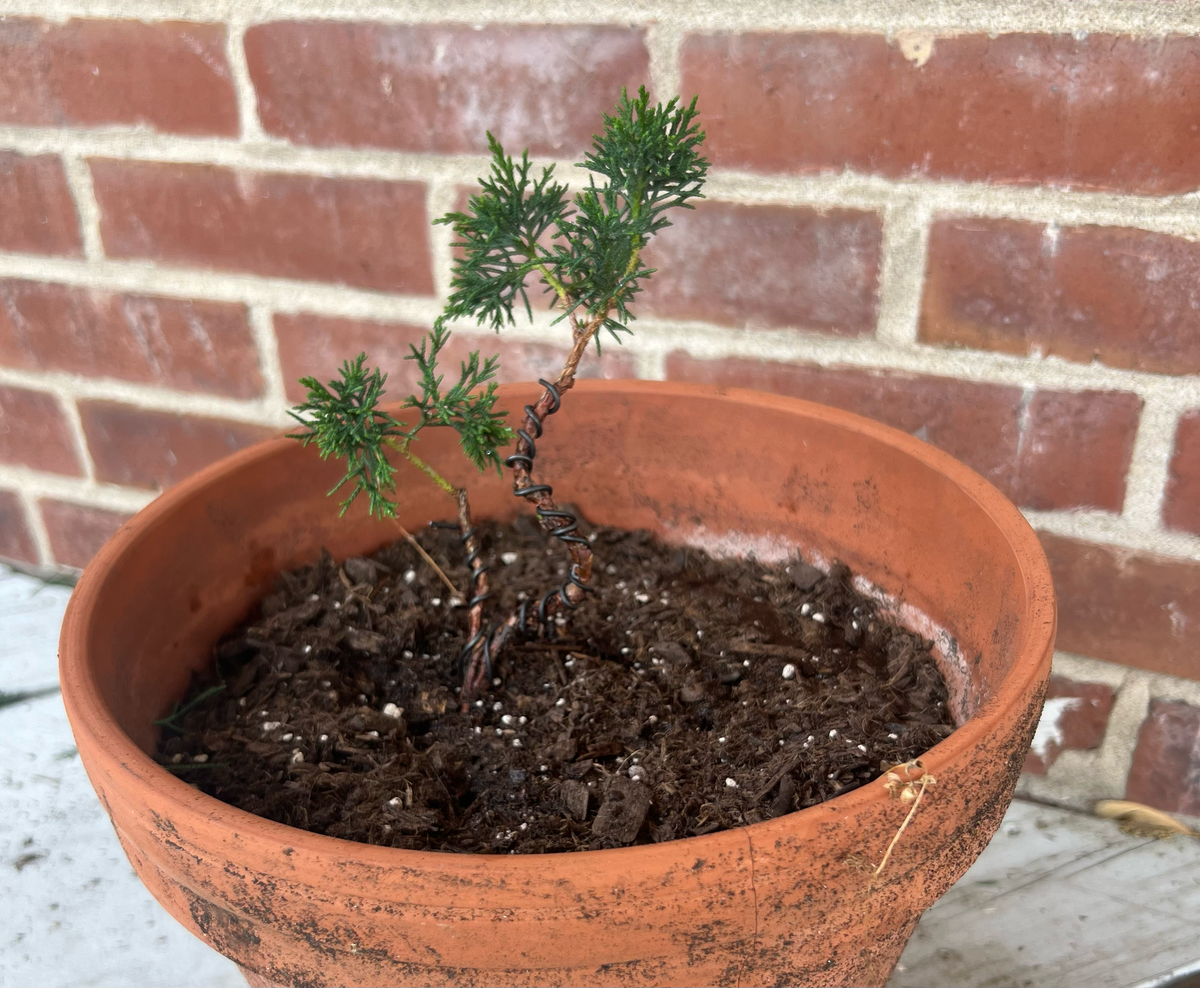
Now that I am approaching 30 years of age (a completely arbitrary yet decidedly imposing number), I am confronting the realities of an extended period spent on the road. This lifestyle, while enriching, is not exactly sustainable for my long term health and well-being. As such, I am trying to center a different suite of priorities and alter the course of my journey. People often rationalize such changes with the metaphor of a blank slate, but I don't see it that way. I think of it more like the trimming down of a bonsai that must occur every few years; the same plant is there, though with much of the foliage cut away. The tree is made bare, but remains alive, and will once again flourish. I suppose the singular question then becomes what do I choose to cut away, and what do I choose to retain and nourish?
A short-sighted conception of the abstract ‘road’ might assume a geographic element; the only way a road is useful is if it is traveled. This is certainly true for Sal Paradise, Dean Moriarty and the free spirits of Kerouac’s novel. However, as is often the case, the true nature of life is more nuanced and evades such prescriptive understanding. Extended reflection reveals that staying, relying upon others and being relied upon is its own road. I believe this to be the next horizon for me, at least until things in my life and this world inevitably change again. In my new home I am trying, failing and trying again to deepen my roots, to drink it in, to become part of the scenery. Now is the hour for patience, for allowing change to reach me in the slow, imperceptible ways that cannot be forced through action.
I recently discovered Bob Seger’s song ‘Against the Wind,’ which wrestles with these very thoughts of purpose and satisfaction, while also being an enjoyable listen. I think it captures what I am getting at fairly well, speaking in the ways that only music can:
What do you do on a Sunday when you don’t know anybody and have nowhere to go? How do you pass the hours? These are the kinds of debacles I find myself in lately, before this school year gets properly underway. I pass another hour in the library, stomach rumbling, while rainclouds pass overhead and dress the streets outside with a melancholy shimmer. I realize it’s been some time since I’ve seen the rain like this, dampening (but never eliminating) the sound and the bustle of the city. I begin to think about the fall and winter to come, how in a milder climate I should expect more moments like this. I look forward to the first elusive snowfall.
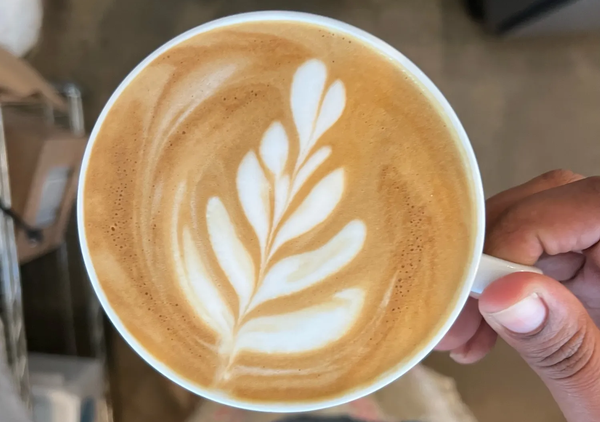
So far, I have kept myself busy with municipal appointments and the local specialty coffee scene. In classic Spanish fashion, something usually goes wrong on my first try to get a residency document or schedule a follow-up; I have gotten accustomed to this and no longer get upset when this happens. After a couple of weeks I have failed my way into getting my affairs sorted: I have signed a lease, I’m registered for my classes, my new ID card is on the way. With my legal status in this country, I often feel as if I am teetering on the edge of reality or society, like a football club which is struggling to carve out a foothold in the next division up. I am treading water, not for a lack of desire but perhaps of determination or know-how. At least there is plenty of good espresso to be had.
The bonsai immediately after trimming can appear pathetic or fragile. Personally, it has been difficult lately not to associate my own life with these kinds of words. Reading On the Road, I found myself resonating a little too frequently with Sal’s pangs of hunger, his letters home asking for money, his strolls with no purpose but to search the ground for cigarette butts and keep the night alive. I have witnessed as I tighten my own belt another notch and take myself on a walk in hopes that something will happen for me, that suddenly I will no longer be an extranjero desconocido in this land.
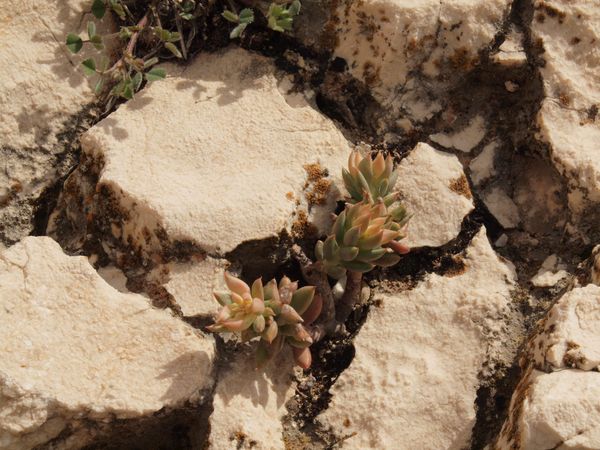
I wonder if people see me and think I am lost out here, withering alone in a harsh, brown world. Aside from the dramatics of this view, I believe there is indeed more to the story. This is not a destructive process but a regenerative one - a trimming of my own metaphorical tree. I hold that the iterative killing and rebirth of one’s innermost self eventually cultivates something sacred, something deeply true. Tomorrow morning the sun will rise again, as it always has, my leaves will draw in its warmth, and my trunk will continue to thicken, bending towards an unseen destiny.